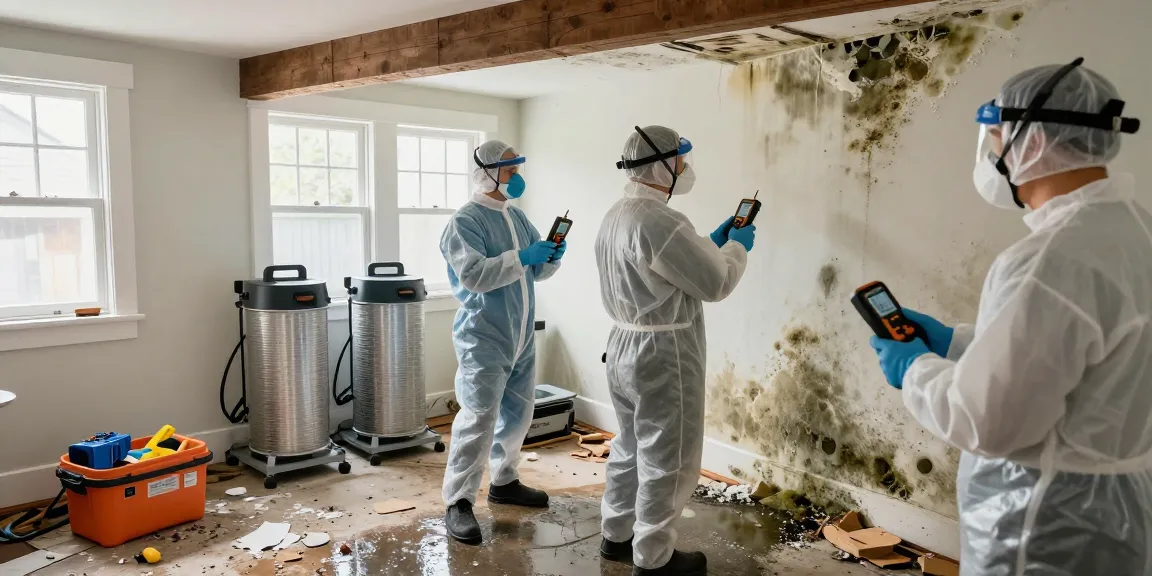
Understanding Mold Remediation Vancouver
Mold remediation is a critical process for maintaining a healthy living environment, particularly in regions like Vancouver, where the coastal climate fosters mold growth. The damp conditions experienced throughout the year make homes susceptible to mold infestations, which can lead to serious health risks and property damage. Understanding the importance of professional mold remediation services can empower homeowners and business owners to take proactive steps in safeguarding their properties. When exploring options, Mold Remediation Vancouver provides comprehensive insights and effective solutions tailored to local needs.
What is Mold Remediation and Why is it Necessary?
Mold remediation refers to the process of removing mold, cleaning contaminated areas, and repairing the conditions that allow mold to thrive. This is essential for several reasons:
- Health Protection: Mold can cause respiratory issues, allergies, and other health problems, particularly for vulnerable populations.
- Property Preservation: Mold can weaken structural integrity, leading to costly repairs and renovations.
- Air Quality Improvement: Removing mold improves overall indoor air quality, making your home safer and more pleasant.
In Vancouver, where old homes are common and moisture levels are high, professional mold remediation is not just necessary; it is vital.
Common Causes of Mold Growth in Vancouver Homes
Mold thrives in moist environments, and several factors contribute to its growth, especially in Vancouver:
- Humidity: The coastal climate leads to year-round humidity, which promotes mold growth.
- Water Leaks: Roof leaks, plumbing issues, and condensation can create the perfect conditions for mold.
- Poor Ventilation: Lack of adequate airflow can trap moisture indoors, exacerbating mold problems.
- Older Buildings: Many homes and buildings in Vancouver may have outdated construction methods that allow moisture retention.
Signs You Need Mold Remediation Services
Recognizing the signs of mold is crucial for timely remediation. Look for:
- Visible Mold Growth: Black spots or patches on walls, ceilings, or floors.
- Musty Odors: A persistent damp smell often indicates hidden mold.
- Water Damage: Signs of water stains or recent leaks can signal mold presence.
- Health Symptoms: New allergies, respiratory issues, or other health problems can arise when exposed to mold.
The Mold Remediation Process Uncovered
Understanding the mold remediation process can alleviate concerns and provide clarity on what to expect during this critical service. Professionals typically follow a systematic approach to ensure thorough cleanup and prevention of future infestations.
Step-by-Step Mold Remediation Techniques
The mold remediation process involves several key steps:
- Inspection: A thorough inspection identifies mold locations and moisture sources.
- Containment: The affected area is sealed off to prevent spore dispersal.
- Air Filtration: HEPA filters are used to capture airborne mold spores.
- Mold Removal: Contaminated materials are safely removed and disposed of.
- Cleaning: Surfaces are treated with antimicrobial products to eliminate residual spores.
- Moisture Control: Addressing the source of moisture is critical to prevent recurrence.
- Final Inspection: A post-remediation assessment ensures all mold has been effectively removed.
Importance of IICRC Certified Technicians
Hiring IICRC-certified technicians is essential for effective mold remediation. These professionals are trained in industry-standard practices and techniques, ensuring that the job is done safely and efficiently. Certification guarantees that the technicians are knowledgeable about the latest remediation methods and equipment, providing peace of mind to property owners.
How HEPA Filtration Plays a Role in Mold Eradication
HEPA (High-Efficiency Particulate Air) filtration is a significant part of the mold remediation process. These filters can trap 99.97% of particles as small as 0.3 microns, including mold spores. By utilizing HEPA air scrubbers during the cleanup, technicians can significantly reduce airborne spores and improve overall indoor air quality.
Health Risks Associated with Mold Exposure
The health implications of mold exposure are serious and can affect anyone, but particularly those with pre-existing health conditions.
Common Health Issues Linked to Mold
Exposure to mold can lead to various health complications, including:
- Respiratory Problems: Mold can exacerbate asthma and lead to chronic respiratory conditions.
- Allergic Reactions: Symptoms may include sneezing, runny nose, and skin irritation.
- Infections: Some mold types can lead to infections, particularly in immunocompromised individuals.
Identifying Symptoms of Mold-Related Illness
Common symptoms of mold-related illness include:
- Persistent cough
- Shortness of breath
- Fatigue
- Headaches
Long-term Effects of Neglecting Mold Issues
Ignoring mold problems can lead to chronic health issues, structural damages, and extensive cleanup costs. Long-term exposure to mold can contribute to respiratory diseases and other serious health complications, making professional remediation essential.
Cost Factors of Mold Remediation in Vancouver
Understanding the cost structure of mold remediation can help homeowners prepare for the financial aspect of the process. Various factors influence the overall expense of mold remediation services.
Understanding Mold Remediation Costs and Estimates
The average costs of mold remediation can vary widely depending on the severity of the infestation, the size of the affected area, and the materials involved. On average, homeowners might expect to pay anywhere from $500 to $6,000 for professional services.
What Factors Influence Mold Remediation Expenses?
Several factors contribute to the overall cost of mold remediation:
- Extent of Contamination: More extensive mold growth typically requires more time and resources to address.
- Location: Accessibility can impact the cost; areas that are harder to reach may require additional labor.
- Material Removal: The necessity for removing and replacing building materials adds to the cost.
- Moisture Source Repair: Addressing underlying moisture issues is vital and can add to the overall expense.
Insurance and Financing Options for Mold Remediation
Many homeowners’ insurance policies may cover mold remediation; however, coverage can vary. It’s crucial to review your policy and consult with your insurance provider to understand your options. Additionally, some remediation companies may offer financing solutions to help alleviate immediate financial burdens.
Future of Mold Remediation in Vancouver
As awareness of mold-related health risks continues to grow, the field of mold remediation is evolving with new technologies and preventative strategies.
Emerging Technologies in Mold Remediation
Innovations in mold detection and remediation are making it easier and more efficient to handle mold issues. Technologies such as thermal imaging can help identify hidden moisture and mold before it becomes a significant problem.
Trends in Mold Prevention for Homes and Businesses
Preventing mold growth is as important as remediation. Trends include:
- Improved Ventilation Solutions: Ensuring proper airflow in homes and buildings.
- Humidity Control Systems: Using dehumidifiers to maintain healthy humidity levels.
- Regular Maintenance Inspections: Conducting frequent checks to catch potential mold growth early.
The Importance of Regular Inspections and Maintenance
Regular inspections and proactive maintenance are vital in preventing mold infestations. Homeowners should consider scheduling annual mold assessments, especially in regions like Vancouver, where conditions are favorable for mold growth.
What Should I Do if I Suspect Mold?
If you suspect mold growth in your home, it’s essential to act quickly. Contact a professional mold remediation service for an inspection and assessment. Early detection and intervention can prevent more extensive damage and health risks.
Can Mold Come Back After Remediation?
Yes, mold can return if the underlying moisture issues are not addressed. It’s crucial to fix leaks, enhance ventilation, and maintain low humidity levels to prevent recurrence.
How Can I Prevent Future Mold Growth?
To avoid future mold problems, consider the following tips:
- Keep humidity levels below 50%
- Use exhaust fans in kitchens and bathrooms
- Ensure proper drainage and landscaping around your home
- Insulate pipes and walls to prevent condensation