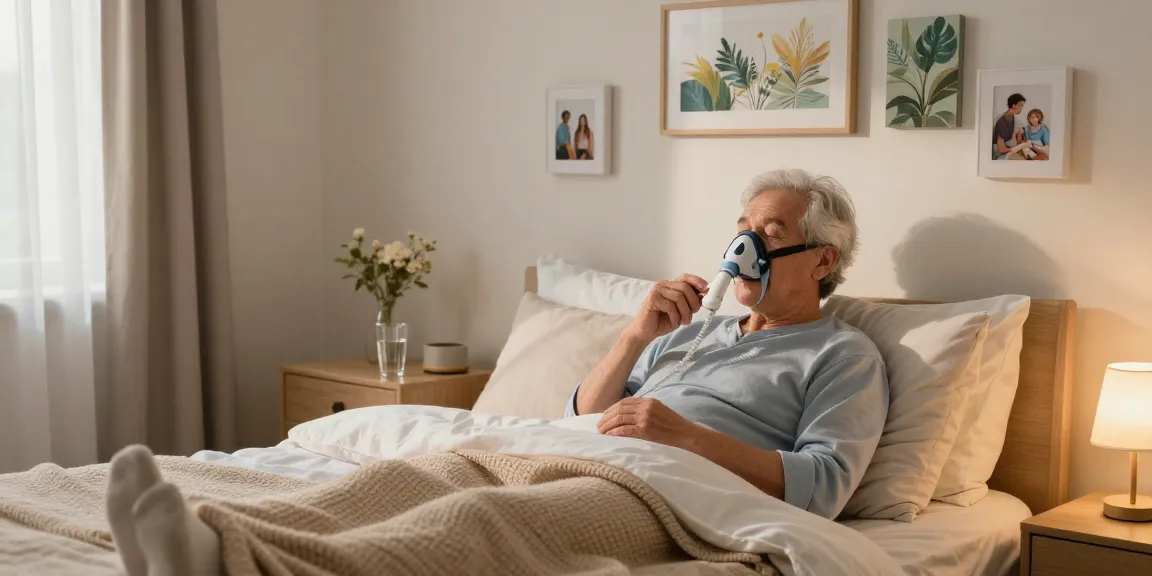
Understanding Sleep Apnea and Its Risks
Millions of individuals worldwide struggle with sleep apnea, a disorder characterized by repeated interruptions in breathing during sleep. Understanding the implications of sleep apnea is crucial, not only for those diagnosed but also for their loved ones. The consequences of untreated sleep apnea can be severe, affecting overall health, quality of life, and even safety while driving. For individuals seeking assistance, connecting with a cpap dealer near me can provide essential support in managing this condition.
What is Sleep Apnea?
Sleep apnea is a serious sleep disorder that causes breathing to repeatedly stop and start during sleep. There are three main types of sleep apnea: obstructive sleep apnea (OSA), central sleep apnea, and complex sleep apnea syndrome. OSA is the most common type, occurring when the muscles in the throat relax excessively, blocking the airway for short periods. Central sleep apnea, on the other hand, is due to the brain’s failure to send signals to the muscles that control breathing, while complex apnea is a combination of the two.
Common Symptoms and Diagnosis
Individuals with sleep apnea often experience several symptoms, including loud snoring, episodes of breathing cessation during sleep, abrupt awakenings accompanied by gasping or choking, and excessive daytime sleepiness. Diagnosing sleep apnea typically involves a sleep study, where patients are monitored at home or in a sleep lab to observe their breathing patterns, oxygen levels, and other vital signs during sleep.
Health Risks Associated with Untreated Sleep Apnea
Neglecting sleep apnea can lead to a host of health risks. Chronic sleep deprivation can contribute to cardiovascular problems like high blood pressure, heart disease, and stroke. It may also exacerbate conditions like diabetes and lead to metabolic syndrome. Furthermore, individuals with untreated sleep apnea are at a higher risk of accidents due to daytime fatigue and impaired cognitive function.
The Role of CPAP Dealers in Sleep Health
CPAP (Continuous Positive Airway Pressure) therapy is a common treatment for obstructive sleep apnea, providing a steady stream of air to keep the airway open during sleep. CPAP dealers play a crucial role in enhancing sleep health by supplying, fitting, and maintaining CPAP equipment for patients. They offer personalized guidance, ensuring that users select the right devices for their needs.
What Does a CPAP Dealer Do?
A CPAP dealer provides a range of services including evaluating patients’ needs, fitting CPAP machines, and providing ongoing support and maintenance. They educate users about the benefits of CPAP therapy, assist with equipment selection, and offer troubleshooting support. By connecting patients with the right tools and resources, CPAP dealers empower individuals to take charge of their sleep health.
Importance of Local CPAP Dealers for Immediate Support
Having access to a local CPAP dealer is invaluable. When issues arise with equipment, immediate support can prevent disruptions in therapy. Local dealers often provide prompt service, including machine repairs, mask fittings, and replacement parts, which can be crucial for effective therapy. Their availability ensures that users can receive personalized care tailored to their specific circumstances.
Key Services Offered by CPAP Dealers
CPAP dealers typically offer several key services, including:
- Personalized consultations to understand patient needs.
- Fitting and demonstration of CPAP machines and masks.
- Maintenance and repair services for CPAP equipment.
- Supply of accessories such as humidifiers and filters.
- Education on proper usage and care of CPAP devices.
Choosing the Right CPAP Equipment
Selecting the appropriate CPAP equipment is essential for effective therapy. With a variety of machines and masks available, understanding the differences can help users make informed decisions tailored to their comfort and therapeutic needs.
Types of CPAP Machines Available
There are several types of CPAP machines, primarily including standard CPAP machines, Auto CPAP (APAP), and BiPAP machines. Standard CPAP machines deliver a constant air pressure, while Auto CPAP adjusts the pressure automatically based on the user’s breathing patterns throughout the night. BiPAP machines offer two levels of pressure—one for inhalation and another for exhalation—providing more comfort for some users.
Factors to Consider When Selecting a CPAP Machine
When choosing a CPAP machine, consider factors such as:
- Pressure Settings: Consult with a healthcare provider to determine the required pressure setting.
- Noise Levels: Look for quieter machines to ensure a peaceful sleep environment.
- Portability: If traveling frequently, consider compact, travel-sized options.
- Humidification: Machines with built-in humidifiers can prevent dryness and improve comfort.
Understanding CPAP Mask Options and Comfort
CPAP masks come in various styles including nasal masks, full-face masks, and nasal pillows. Each type offers unique benefits, and the choice largely depends on personal comfort and breathing patterns during sleep. Finding a mask that fits well is paramount, as an ill-fitting mask can lead to leaks, discomfort, and decreased effectiveness of treatment.
Best Practices for Using CPAP Machines
To maximize the benefits of CPAP therapy, users should adhere to best practices when setting up and using their equipment.
How to Properly Set Up Your CPAP Machine
Proper setup of a CPAP machine is crucial for effective therapy. Begin by following the manufacturer’s instructions closely, ensuring all connections are secure. Set the right pressure as prescribed and adjust the humidification settings based on personal comfort. Lastly, place the machine near the bedside for easy access during the night.
Maintaining Your CPAP Equipment for Optimal Performance
Regular maintenance of CPAP equipment is essential. Clean the mask, tubing, and reservoir daily to prevent bacteria buildup. Replace filters as recommended and ensure that the machine is kept in a clean, dry environment. Scheduled check-ups with a CPAP dealer can also identify potential issues before they become problematic.
Common Troubleshooting Tips for CPAP Users
Users may encounter common issues such as leaks, discomfort, or noise from the machine. To troubleshoot, check mask fittings and adjust straps to achieve a snug, comfortable fit. If noise levels are bothersome, examine the machine for loose parts or consider placing it on a soft surface to absorb sound. For persistent issues, consulting with a CPAP dealer may provide additional solutions.
Future Trends in CPAP Therapy and Sleep Health
The field of sleep therapy is continuously evolving, driven by technological advancements and changing patient needs. Staying informed about future trends can help patients better manage their conditions.
Advancements in CPAP Technology by 2026
By 2026, advancements in CPAP technology are expected to include smarter devices that track patient compliance, connect to mobile apps, and provide real-time adjustments based on sleep data. These features will allow for more personalized therapy and encourage adherence, ultimately improving sleep health outcomes.
Integrating Smart Home Technologies with CPAP Devices
As smart home technologies become more prevalent, integrating CPAP devices with home automation systems could enhance the user experience. Features may include automated humidity control, ambient noise settings, and alert systems to notify users when it’s time to replace equipment or filters.
Community Resources for CPAP Users
Community support is vital for individuals using CPAP therapy. Many organizations and online forums exist where users can share experiences, learn about new products, and find emotional support. Engaging with these resources can help users feel less isolated in their journey towards better sleep health.
What are the Best Habits to Ensure Long-Term CPAP Adherence?
To promote long-term adherence to CPAP therapy, consider developing a routine that incorporates nightly usage. Educating oneself about the benefits of therapy can enhance motivation, while sharing experiences with fellow users can foster accountability. Regular follow-ups with a CPAP dealer can also provide essential support and updates on new technologies and practices.